
This content is for general informational purposes and is not a substitute for professional medical advice, diagnosis, or treatment.
How to Maintain Drawstring Wigs Without Damaging Hair
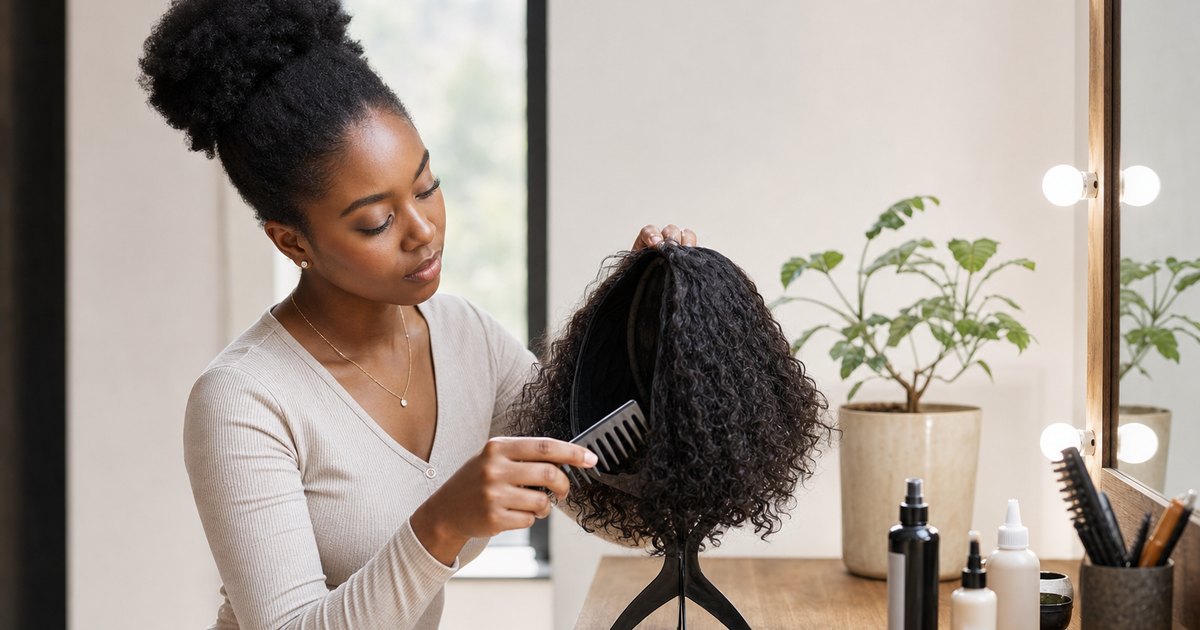
Quick answer
Caring for a drawstring wig while protecting the natural hair underneath involves adjusting the internal drawstring so it never pulls tightly, flattening your own hair with a braid or wrap before each wear, and cleaning the cap and fibers on a routine schedule. The drawstring should feel secure, not tight, and the scalp needs regular breaks from any cinched cap style.
- Braid or lay natural hair flat before wearing the wig
- Adjust the drawstring snug, not tight, against the head
- Remove the wig nightly or at least every few days
- Wash the wig cap and drawstring channel separately from the hair fibers
- Rotate wig-wearing with rest days for your scalp
- Store the wig on a stand to keep its shape between wears
Key takeaways
- The drawstring is a tightening mechanism inside the wig cap, so pressure is concentrated along the hairline and nape rather than spread evenly like a full wig band.
- Natural hair underneath benefits from a flat protective style, since friction between loose strands and the wig cap is a common cause of tangling and breakage.
- Wig fibers and the drawstring channel need different cleaning approaches: gentle shampooing for the hair, and spot cleaning for the elastic and string.
- Replacing a stretched or frayed drawstring early can prevent the wig from slipping, which often leads to re-tightening and added tension on hair.
What you need
- A wide-tooth comb or wig brush
- Sulfate-free shampoo and lightweight conditioner suited to wig fibers
- A wig stand or mannequin head for storage
- Silk or satin scarf, bonnet, or wig cap liner
- Small scissors or seam ripper (for drawstring adjustments only, used carefully)
- A mirror and good lighting to check tension around the hairline
- Optional: a drawstring wig style such as the UNice Lace Part 150% Density Ginger Color drawstring wig or the UNice 7x5 Lace Bye Bye Slip Glueless drawstring wig if you are shopping for a new piece while learning proper care habits
| Item | Purpose |
|---|---|
| Wide-tooth comb | Detangle wig fibers without pulling the drawstring channel |
| Satin bonnet or scarf | Reduce friction between natural hair and the wig cap |
| Wig stand | Keep cap shape and drawstring tension even between wears |
| Mild shampoo | Clean fibers without stripping texture or color treatments |
Step-by-step instructions for how to maintain drawstring wigs without damaging hair
- Prepare natural hair first by braiding it flat or wrapping it close to the scalp, then check that no loose strands are sticking out near the hairline before the wig goes on.
- Put on a thin wig cap or liner if the wig does not already include one, which adds a barrier between skin, hair, and the drawstring elastic.
- Place the wig and locate the internal drawstring, usually at the nape, then pull gently until the cap sits securely without pinching the scalp.
- Check the tension by running a finger along the hairline and nape; it should feel snug but you should still be able to slide one finger underneath comfortably.
- Style as usual, avoiding repeated heavy pulling at the front edge, and confirm the wig is not shifting before leaving the house.
- At the end of the day, loosen the drawstring fully before removing the wig rather than pulling it off while still cinched tight.
- Detangle the wig fibers with a wide-tooth comb starting at the ends, then wash according to the fiber type on a regular cleaning schedule rather than daily.
- Inspect the drawstring and elastic for stretching, fraying, or knots forming in the same spot each time, since repeated strain in one area signals it may need adjustment.
- Store the wig on a stand with the drawstring loosened completely so the elastic is not held under tension between wears.
Safety checks
- Confirm the drawstring never sits directly over a scar, scalp irritation, or recent chemical treatment area.
- Check that the cap is not left on overnight on a regular basis, since prolonged tension can contribute to tension-related hair thinning over time.
- Stop and loosen the wig immediately if you notice tingling, redness, or a headache along the hairline.
- Check natural hair periodically for breakage or thinning at the temples and nape, which are common friction points under any pull-tight cap.
- Verify the drawstring is fully released before sleeping if the wig is worn overnight, and avoid sleeping in a wig as a routine habit.
Common mistakes
- Over-tightening the drawstring: this increases tension on the hairline and can contribute to breakage; adjust gradually and stop once the cap feels secure, not tight.
- Skipping a protective base: wearing a drawstring wig directly over loose natural hair increases friction; braid or wrap hair flat first.
- Washing the wig too often: frequent washing can wear down fibers faster; follow a set schedule based on wear frequency instead of washing after every use.
- Ignoring a stretched drawstring: a loose string leads to slipping, which often causes people to overcompensate by pulling it tighter; replace or repair worn elastic early.
- Sleeping in the wig nightly: this extends scalp tension time considerably; remove the wig before bed when possible.
- Using high heat near the cap edge: heat styling tools used too close to the drawstring channel can warp synthetic fibers or stress the elastic.
- Storing the wig cinched tight: leaving the drawstring pulled while on a stand keeps the elastic under constant strain; loosen it fully for storage.
Troubleshooting
Why does the wig keep slipping during the day?
This is often caused by a stretched or worn drawstring that no longer holds tension evenly. Check the elastic for visible wear, and consider a wig with an adjustable drawstring and secure combs, such as the UNice Yaki Straight Bye-Bye Slip Glueless wig with flexible drawstring, which is designed to allow re-tightening without replacing the whole cap.
Why does the hairline feel sore after a few hours?
Soreness usually means the drawstring was pulled tighter than needed. Loosen it immediately and reassess the fit; a well-fitted cap should not require constant tightening to stay in place.
Why is natural hair tangling under the wig?
Loose strands rubbing against the wig cap lining is the most common cause. A flat braid, twist, or satin liner between hair and cap reduces this friction significantly.
Why does the drawstring area smell or feel damp?
Buildup from sweat or product residue can collect in the drawstring channel. Spot clean this area with a damp cloth and mild shampoo, then let the cap air dry fully before storing.
Why does the cap feel loose even after tightening?
The internal elastic may have lost its stretch over time. If adjustment no longer holds, the drawstring mechanism itself may need professional repair or the wig may need replacing.
Limitations and checks
Drawstring construction, elastic strength, and cap materials vary by brand and listing, so always verify the specific drawstring design, density, and cap type on the current product page before purchase. This article cannot confirm how a particular wig will perform for an individual scalp, hair texture, or wearing schedule, since results vary by hair condition, styling habits, and how often the wig is worn. Any guidance here is general; if irritation, shedding, or scalp changes continue despite adjustments, consult a stylist or healthcare provider rather than relying on home fixes alone.
Shop the picks
Products and prices from UNice, checked on November 2, 2026. Prices and availability can change; confirm on the retailer's page.
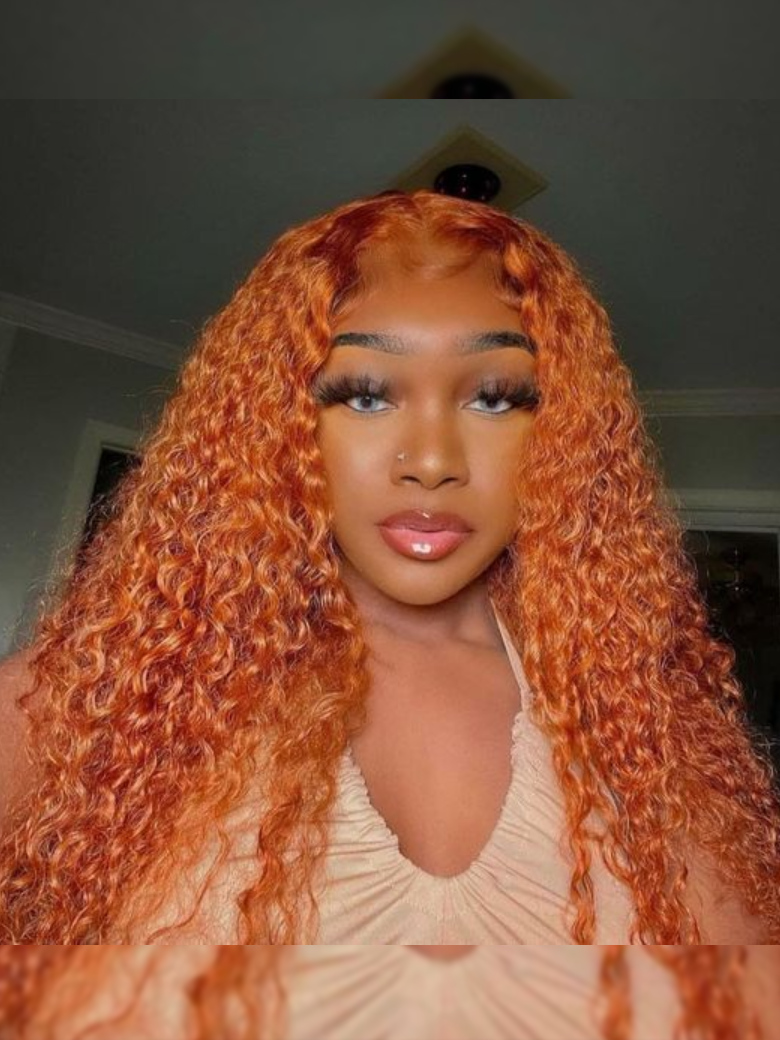 UNice Lace Part 150% Density Ginger ColorJerry Curly Human Hair Wig With Invisible drawstring$130.00Check UNice Lace Part 150% Density Ginger Color price and specs at UNice
 UNice 7x5 Lace Bye Bye Slip GluelessWig Black Kinky Curly Wig With 4C Baby Hair 150% Density Drawstring$161.25Check UNice 7x5 Lace Bye Bye Slip Glueless price and specs at UNice
 UNice Yaki Straight Bye-Bye Slip™ Glueless Natural-LookingHuman Hair Wig with Flexible Drawstring$180.00Check UNice Yaki Straight Bye-Bye Slip™ Glueless Natural-Looking price and specs at UNice
 UNice Brown Highlights Body Wave Bye-Bye Slip™Glueless Put-On-and-Go Drawstring Human Hair Wig$136.25Check UNice Brown Highlights Body Wave Bye-Bye Slip™ price and specs at UNice
Verified product details
Copied from each retailer's product data on November 2, 2026. We did not test these products. Confirm sizes, compatibility, included accessories and other specifications on the official product page before you buy.
| Model | What the retailer lists | Price checked | Official page |
|---|---|---|---|
| UNice Lace Part 150% Density Ginger Color | Not listed in the retailer product data | $130.00 | Check UNice Lace Part 150% Density Ginger Color at UNice |
| UNice 7x5 Lace Bye Bye Slip Glueless | Not listed in the retailer product data | $161.25 | Check UNice 7x5 Lace Bye Bye Slip Glueless at UNice |
| UNice Yaki Straight Bye-Bye Slip™ Glueless Natural-Looking | Not listed in the retailer product data | $180.00 | Check UNice Yaki Straight Bye-Bye Slip™ Glueless Natural-Looking at UNice |
| UNice Brown Highlights Body Wave Bye-Bye Slip™ | Not listed in the retailer product data | $136.25 | Check UNice Brown Highlights Body Wave Bye-Bye Slip™ at UNice |
Also on Amazon
Handy extras our readers pick up on Amazon. Compare reviews and delivery times before you buy.
Lace tintMatch lace to your scalp tone so the hairline disappears.Check price on Amazon
Heat protectant sprayShield the hair before you curl, straighten or blow-dry.Check price on Amazon
Satin bonnets & pillowcasesLess friction overnight means less frizz, tangles and shedding.Check price on Amazon
Wig capsFlatten braids or natural hair for a smoother, more secure install.Check price on Amazon
Search Amazon for more options and compare reviews and delivery times.
As an Amazon Associate I earn from qualifying purchases.
Bottom line
Caring for a drawstring wig while protecting your own hair mainly requires keeping drawstring tension moderate, shielding natural hair with a flat style underneath, and giving both the scalp and the wig cap regular rest and cleaning. Readers who want a simpler everyday option might compare glueless styles such as the UNice Brown Highlights Body Wave Bye-Bye Slip drawstring wig, while anyone shopping for additional glueless or drawstring designs can browse the UNice glueless wigs collection. The next step is simply to check your current wig's drawstring tension today and adjust your routine accordingly.
Frequently asked questions
Can a drawstring wig damage natural hair if worn correctly?
Worn correctly, a drawstring wig is designed to sit comfortably without pulling hair, though any cap style can contribute to tension if it is fitted too tightly or worn for long stretches without breaks. Protecting hair underneath with a flat style and checking tension regularly lowers this risk considerably.
How often should a drawstring wig be washed?
Washing frequency depends on how often the wig is worn and the fiber type, so there is no single fixed schedule that applies to every wig. As a general approach, wash when buildup, odor, or reduced shine becomes noticeable rather than on a strict daily basis.
Is it safe to sleep in a drawstring wig?
Occasional short naps are usually lower risk than nightly sleep in a tightened cap, since prolonged pressure along the hairline is the main concern. Removing the wig before bed and storing it properly is generally the safer habit.
Should natural hair be braided before every wear?
Yes, braiding or flat-twisting hair before putting on a drawstring wig is a simple way to reduce friction and tangling between the cap lining and loose strands. This step also makes it easier to check and adjust the drawstring tension evenly.
How tight should the drawstring actually feel?
The drawstring should feel secure enough that the wig does not shift, but loose enough that a finger can slide under the band at the nape and hairline. If it leaves marks or causes soreness, it is too tight.
What signs mean the drawstring needs replacing?
Visible fraying, loss of elastic stretch, or the wig slipping even after tightening are signs the drawstring mechanism may be wearing out. Continuing to over-tighten a worn string usually increases strain on both the cap and the hairline.
Can a satin bonnet replace a wig cap liner?
A satin bonnet can serve a similar friction-reducing purpose for some wearers, though it is not identical to a fitted wig cap liner. Either option is generally better than wearing the wig directly over bare, unprotected hair.
Sources and further reading
Independent references on topics covered in this guide. We are not affiliated with these organizations.
- American Academy of Dermatology: Hair and scalp care
- American Academy of Dermatology: Preventing hair damage from weaves and extensions
- American Academy of Dermatology: Hairstyles that can cause hair loss
- American Academy of Dermatology: Skin care basics
Official product pages: manufacturer and retailer pages for the specifications above. These are partner links: we may earn a commission.
- UNice: UNice Lace Part 150% Density Ginger Color product page
- UNice: UNice 7x5 Lace Bye Bye Slip Glueless product page
- UNice: UNice Yaki Straight Bye-Bye Slip™ Glueless Natural-Looking product page
- UNice: UNice Brown Highlights Body Wave Bye-Bye Slip™ product page